

Home›Your representative
The National Assembly
They work for you.
Thirty-four men and women sit in the National Assembly. Not one of them is your ruler. Each is your servant, elected to carry your voice into the House and answer to you for what they do there. This is how you find yours, and how you make them hear you.
What your member is for
An MNA has three jobs, and all three answer to you.
A Member of the National Assembly is not there to be thanked. They hold the seat because your district lent it to them, and they can be voted out of it. Between elections, these are the three duties they owe you.
01
Representation
To carry the concerns of your district into the House. Your cost of living, your clinic, your road, your school. When you write to them, you are not asking a favour. You are giving them their instructions.
02
Oversight
To question the government and hold it to account for how it spends your money. Every trip, every contract, every budget line. An MNA who never questions the government is not doing half the job you pay them for.
03
Legislation
To make and amend the laws you live under. They should read what they vote on, explain it to you, and answer for it. A law passed in your name is one you are allowed to question.
What they cost, what they control
Two honest numbers about your member.
The first is what one member of the Assembly is paid. The second is how much of your district's money that member actually controls. The first is public if you know where to look. The second surprises almost everyone.
What each member is paid
Every member draws the same basic salary, whether they speak in the House every week or never once. A handful earn a top-up for holding an office.
Basic salary, every memberSCR 364,056a year
Committee chairSCR 367,056+3,000
Deputy Speaker, Leader of Government Business, Leader of the OppositionSCR 417,708+53,652
The SpeakerMore againnot published
On top of the salary comes a representation allowance paid to everyone, and a travel allowance for the members who live on the outer islands. The government does not publish these line by line, so the true figure sits above the salary, never below it. We print the Speaker's premium as unknown rather than invent one.
Thirty-four members on the basic salary alone come to about SCR 12.4 million a year, before a single allowance, gratuity or the Speaker's premium. That is the price of the elected House. Money well spent when the House holds the government to account, wasted when it does not.
Figures: Inter-Parliamentary Union, Parline. The basic salary is the figure both published leadership totals point back to, 417,708 less the 53,652 top-up and 367,056 less the 3,000, each landing on 364,056.
What each member controls for your district
SCR 0handed to your member to spend on your district
Here is the part most people get wrong. Your member of the Assembly does not receive a fund to fix your district. Not for a road, not for a clinic, not for a drain. There is no constituency development fund in Seychelles.
Your district's money is held and spent by a District Administrator. The District Administrator is not elected. They are appointed through the Ministry of Local Government and answer to the minister, not to you and not to the member you voted for. In 2020 the districts shared about SCR 51.2 million between them, for community life, self-help projects, district sport and small emergencies. Every rupee of it was controlled by the appointed administrator.
So the person you choose cannot spend a cent on your district, and the person who spends it you did not choose and cannot remove. A SUM government would put the money, and the decision, back where the vote is.
Sources: Ministry of Local Government, SNG-WOFI Seychelles profile.
Find your member
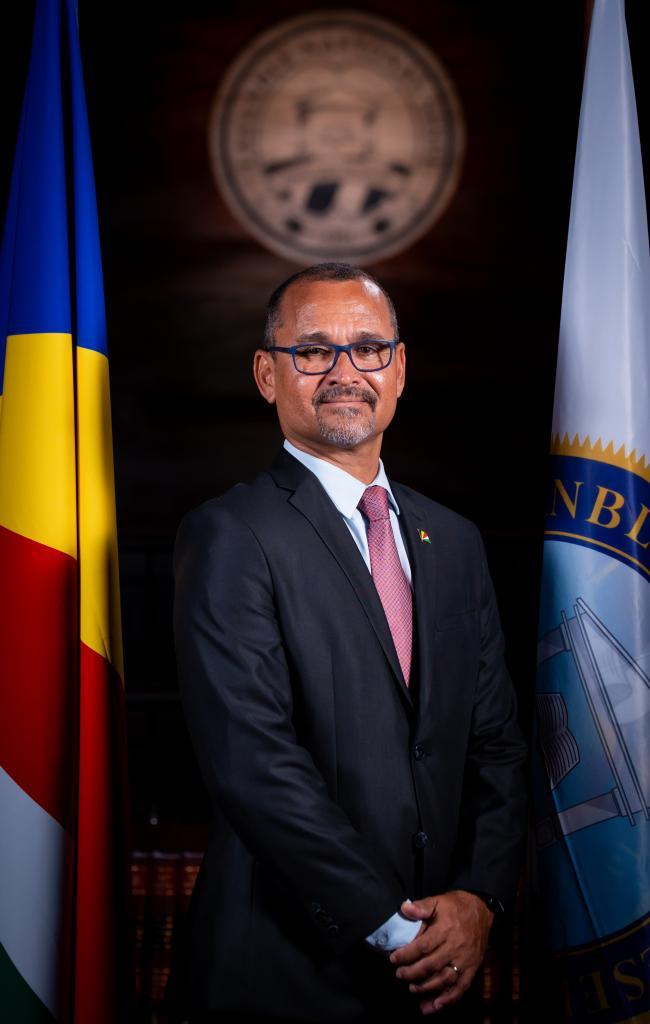
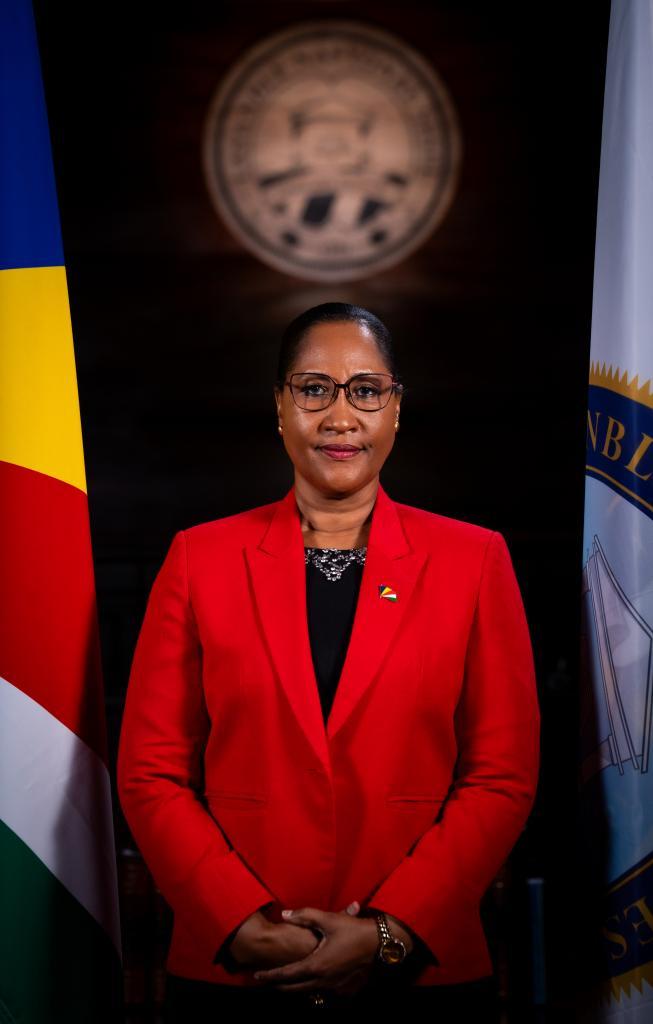
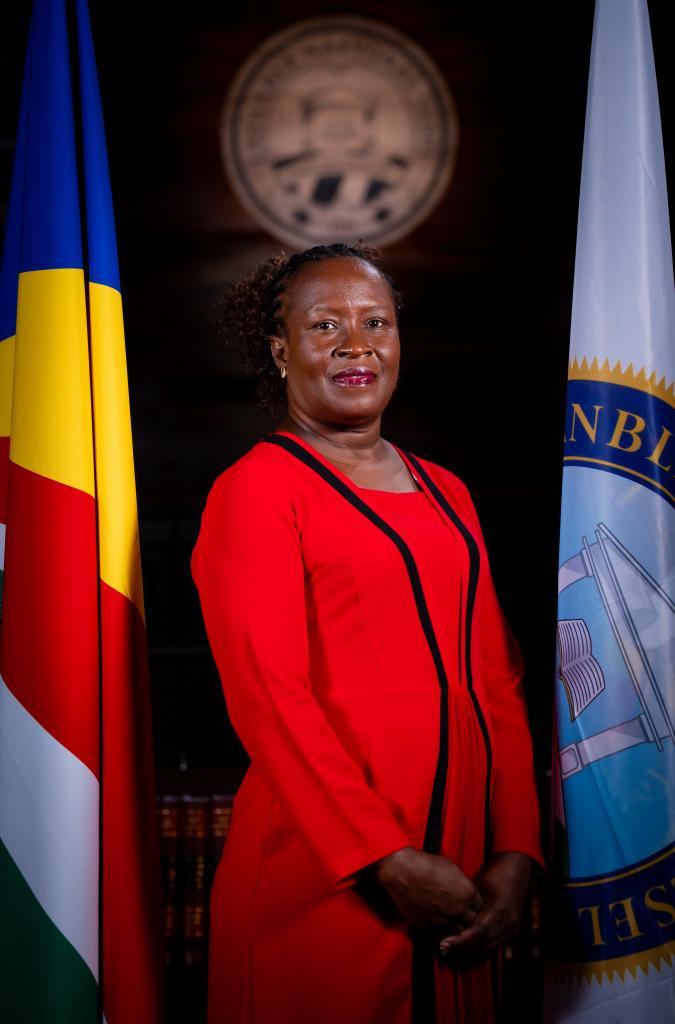
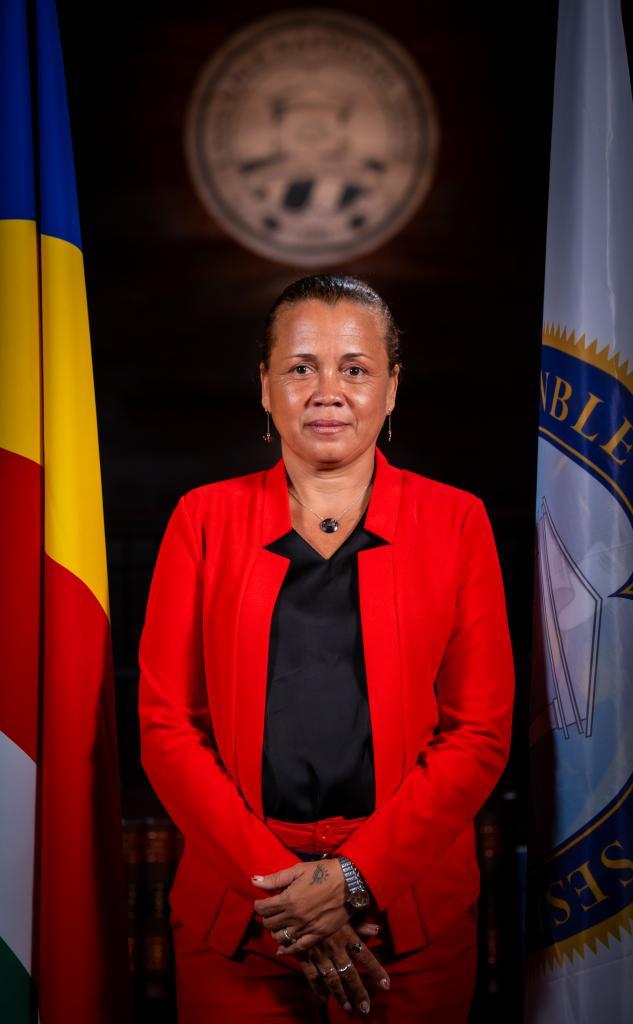
Twenty-six districts. One member each.
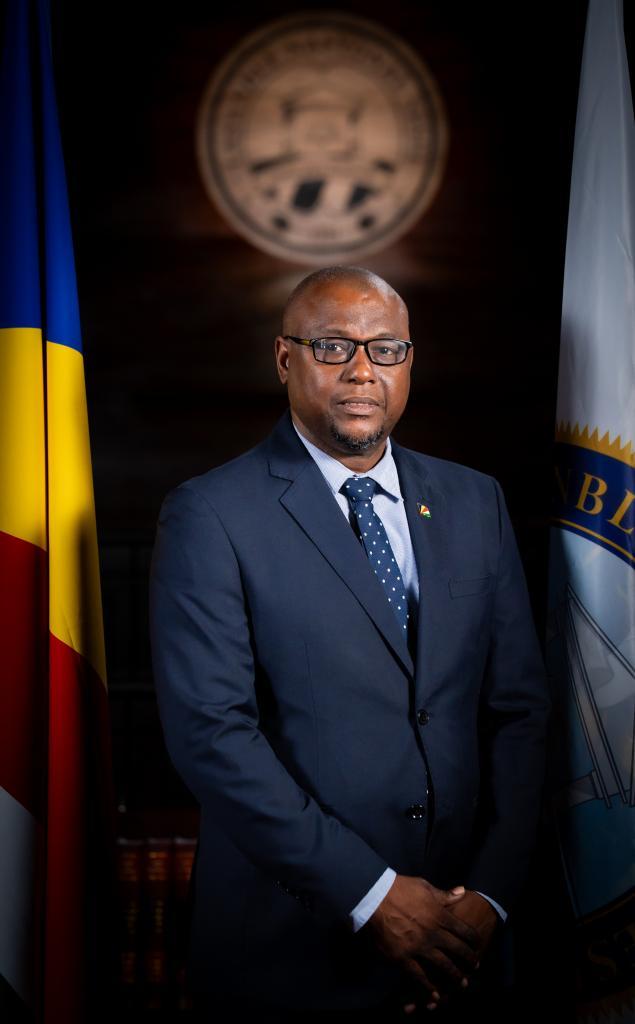
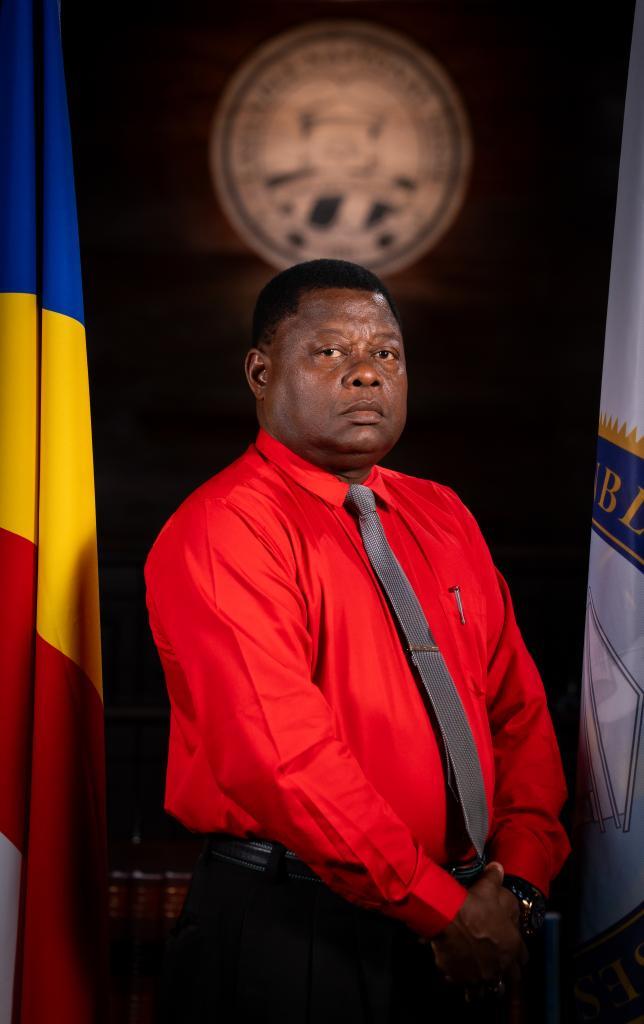
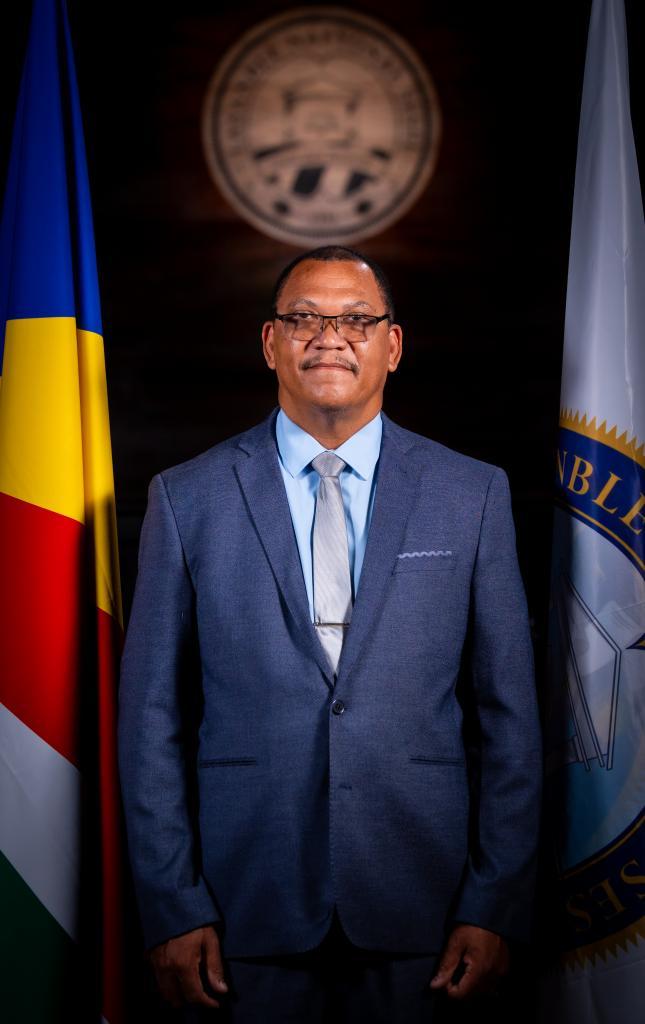
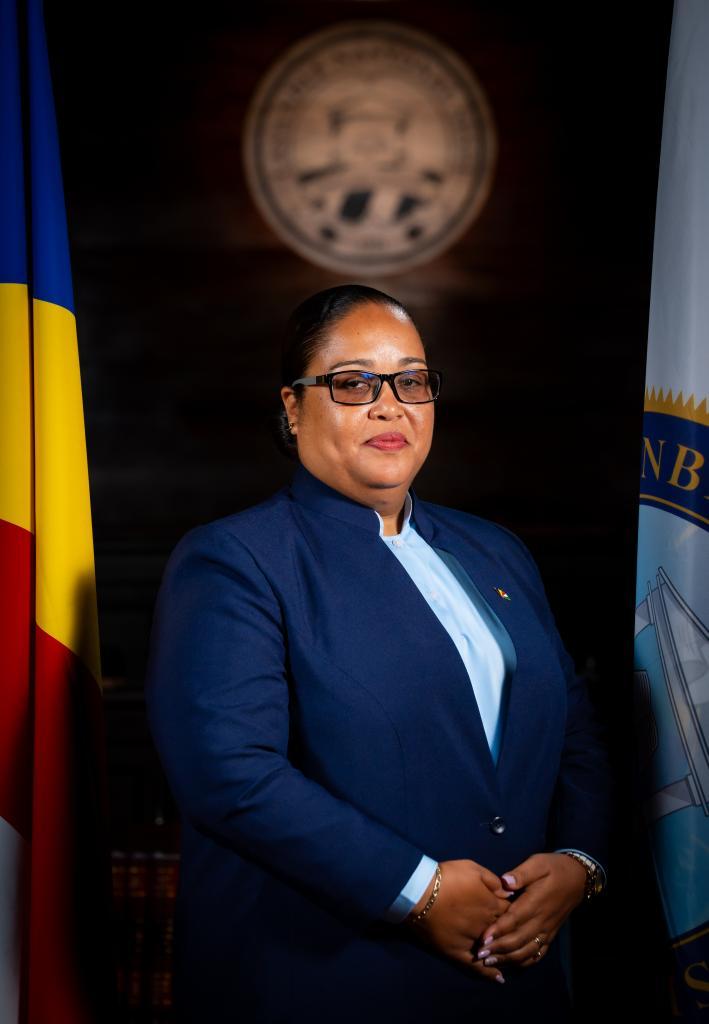
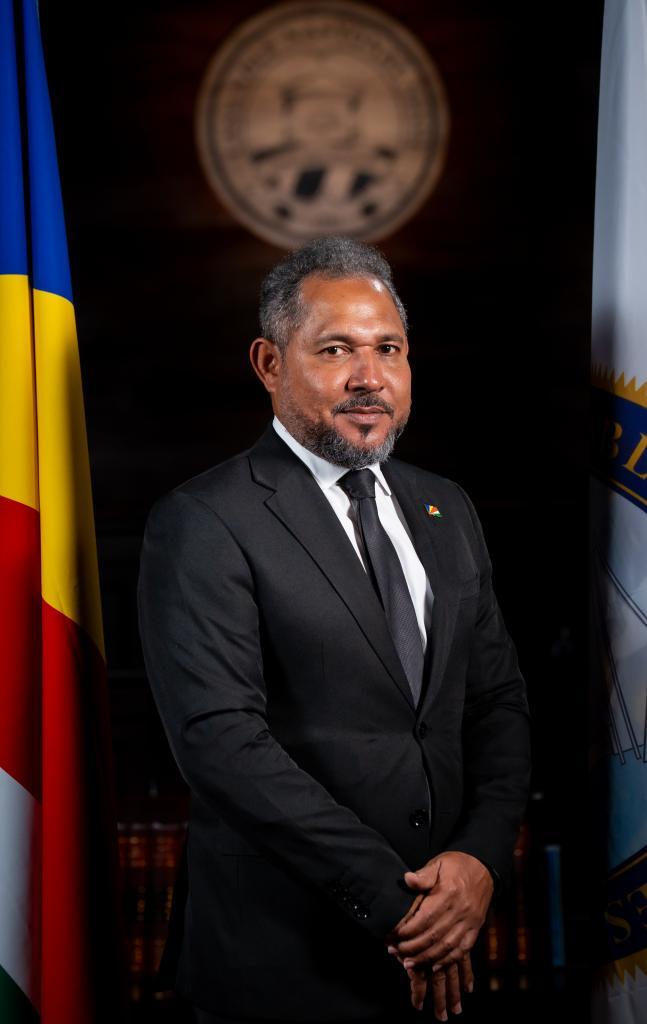
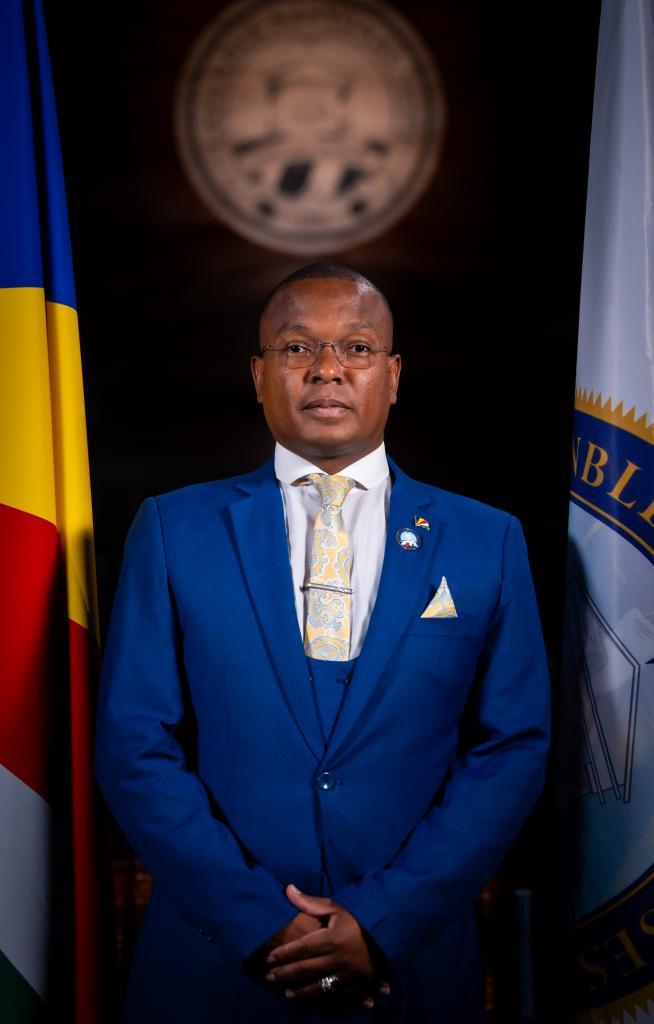
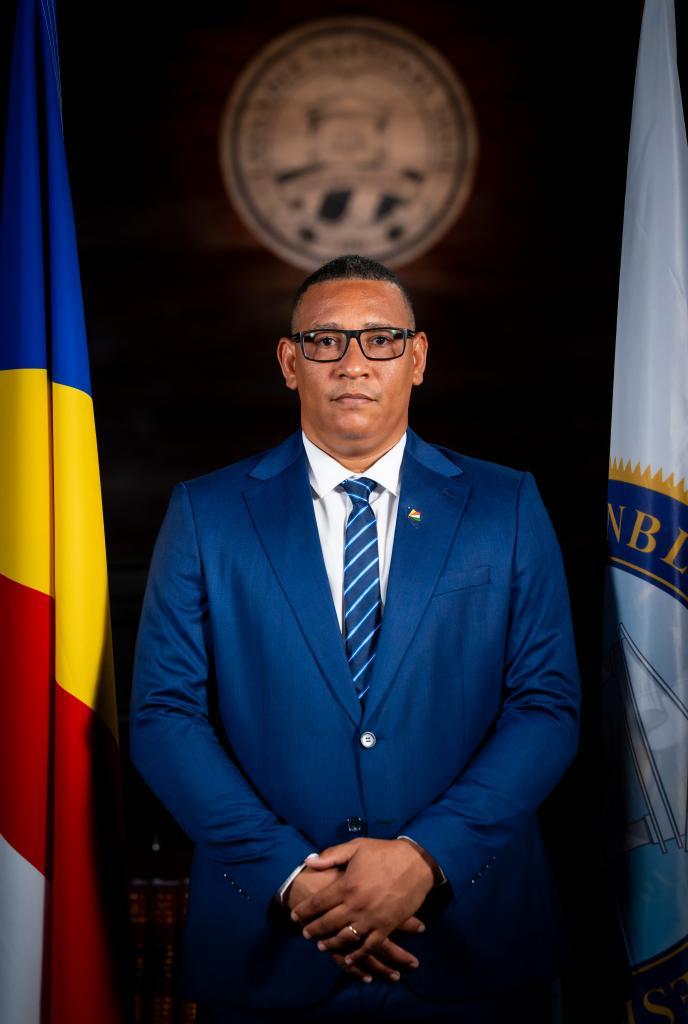
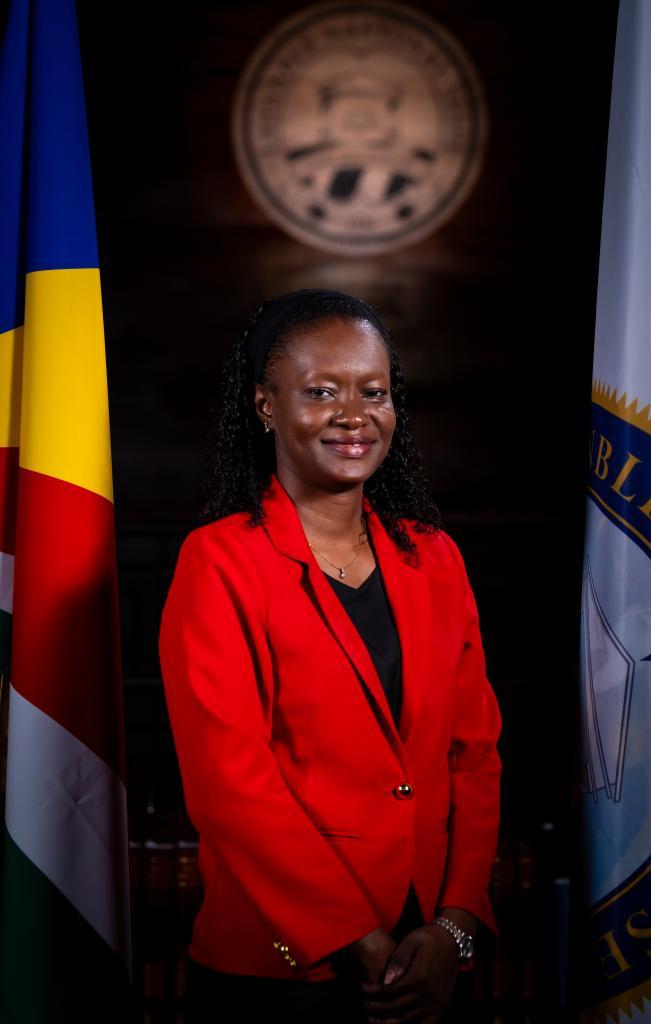
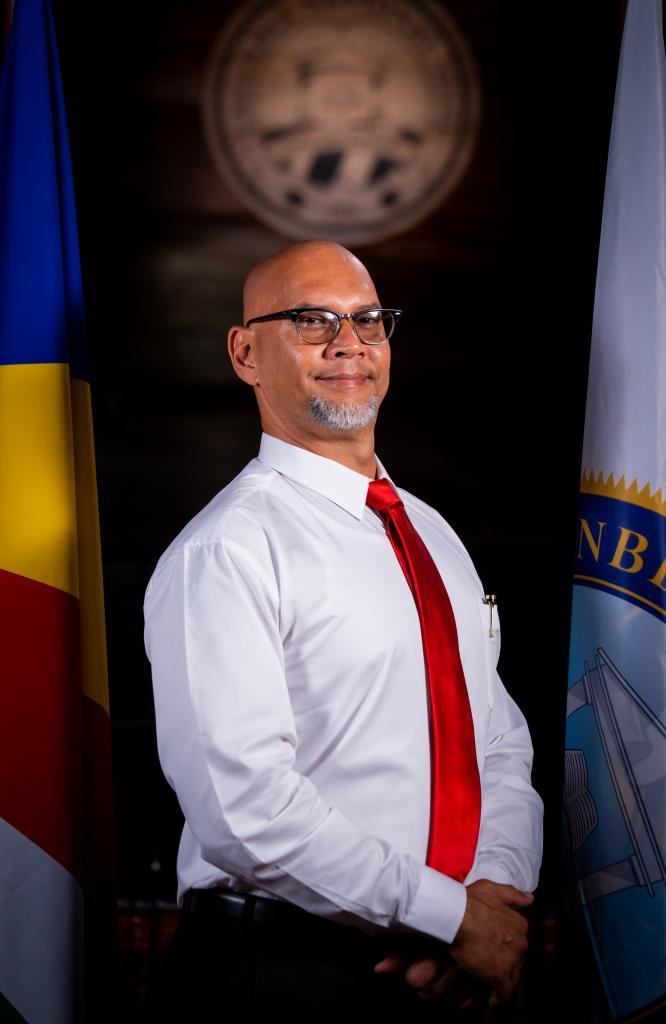
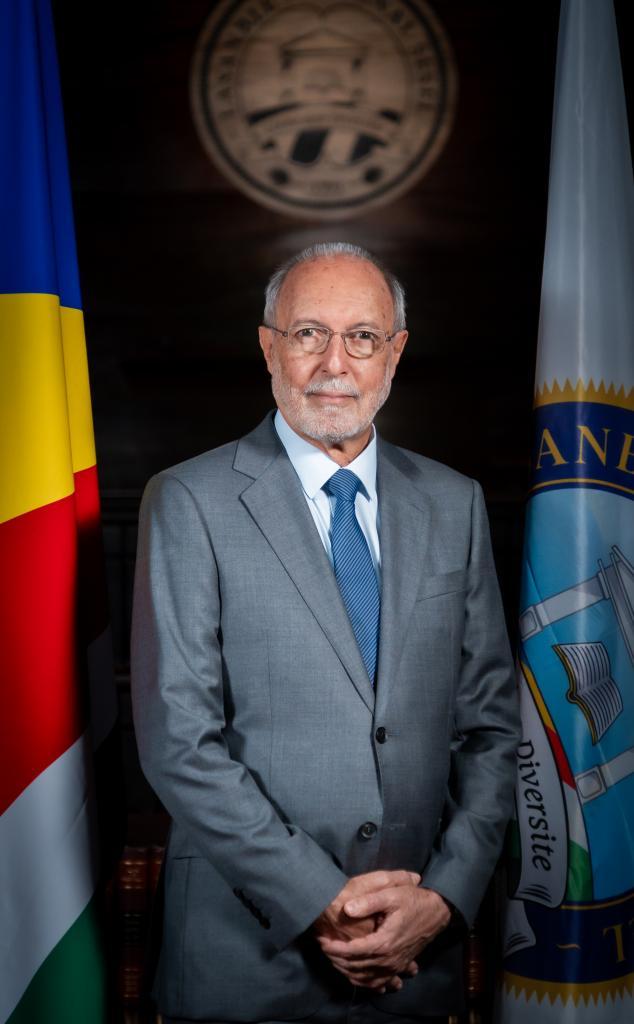
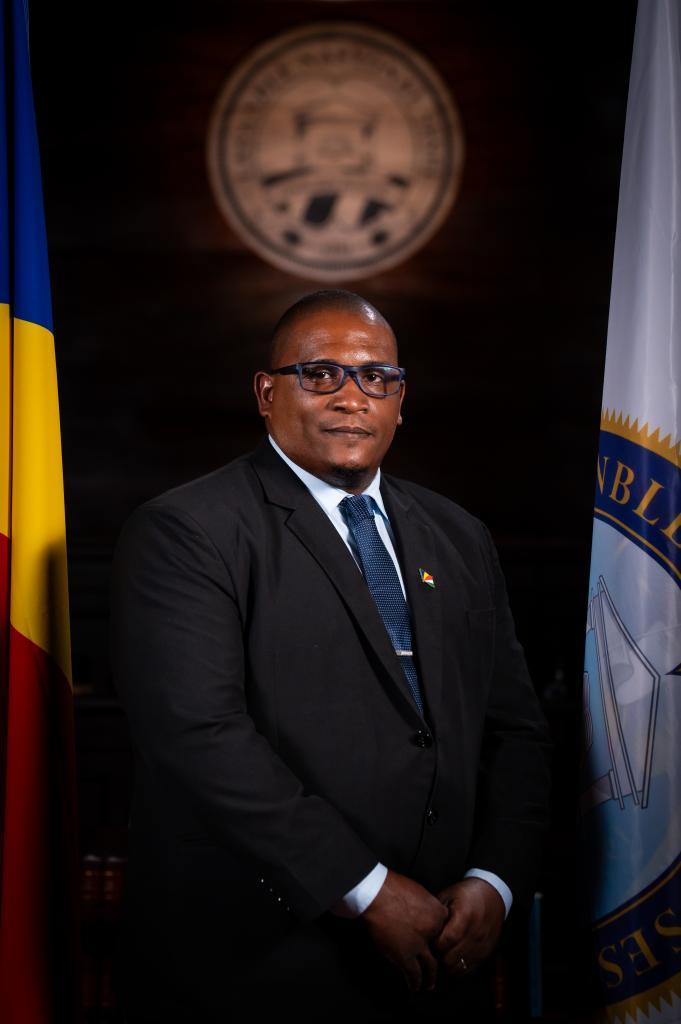
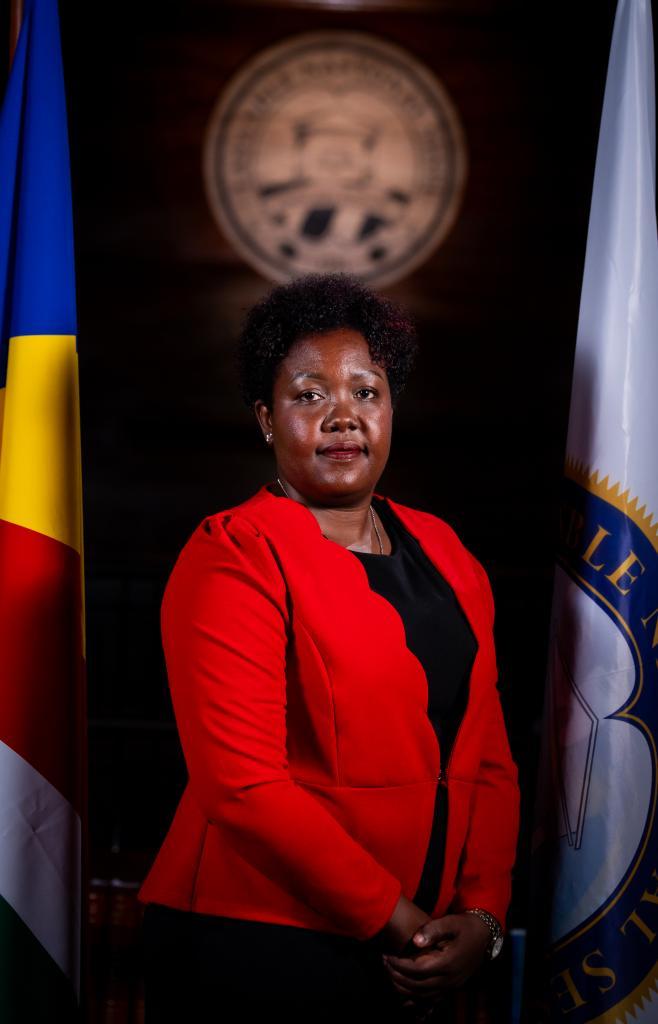
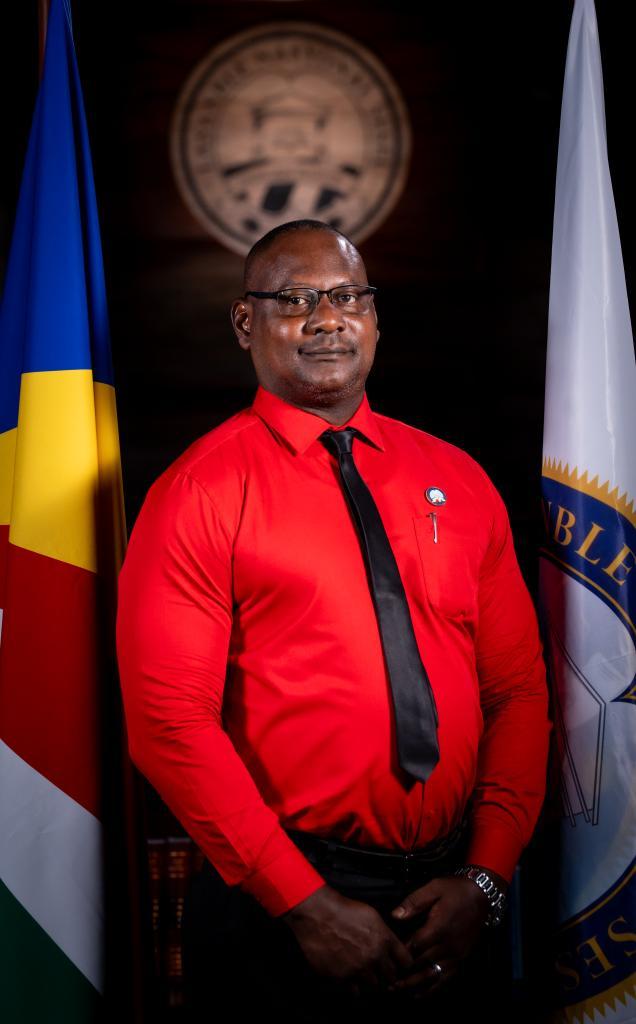
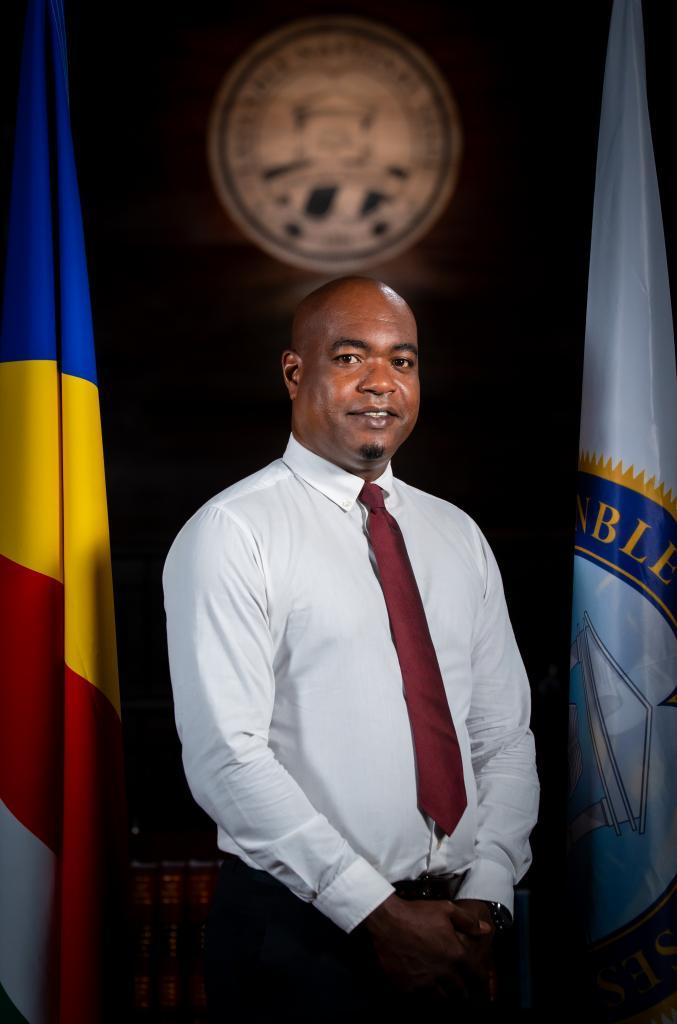
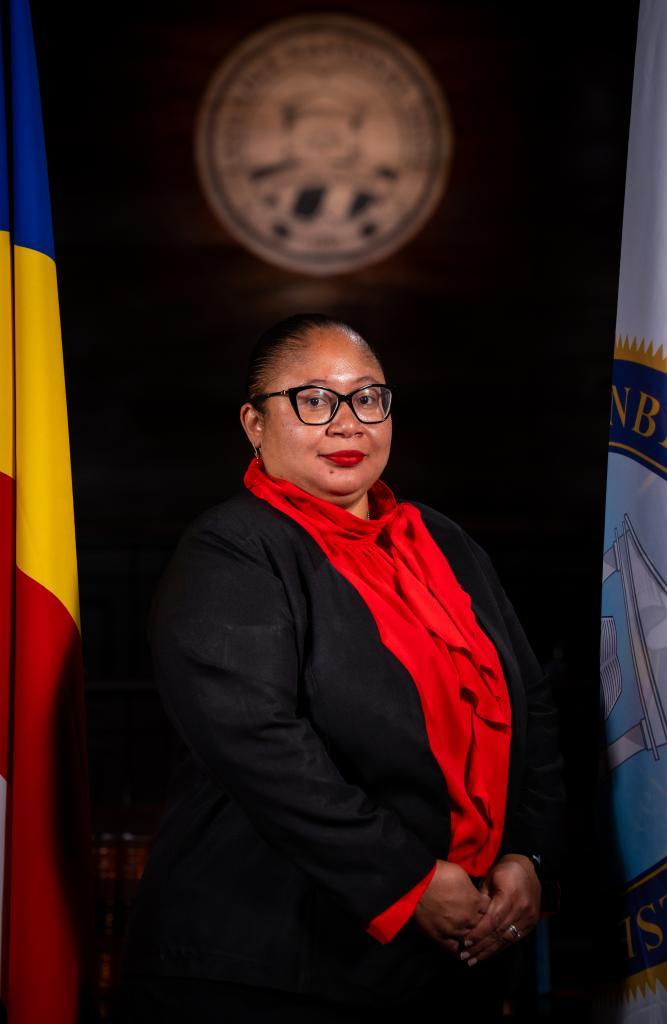
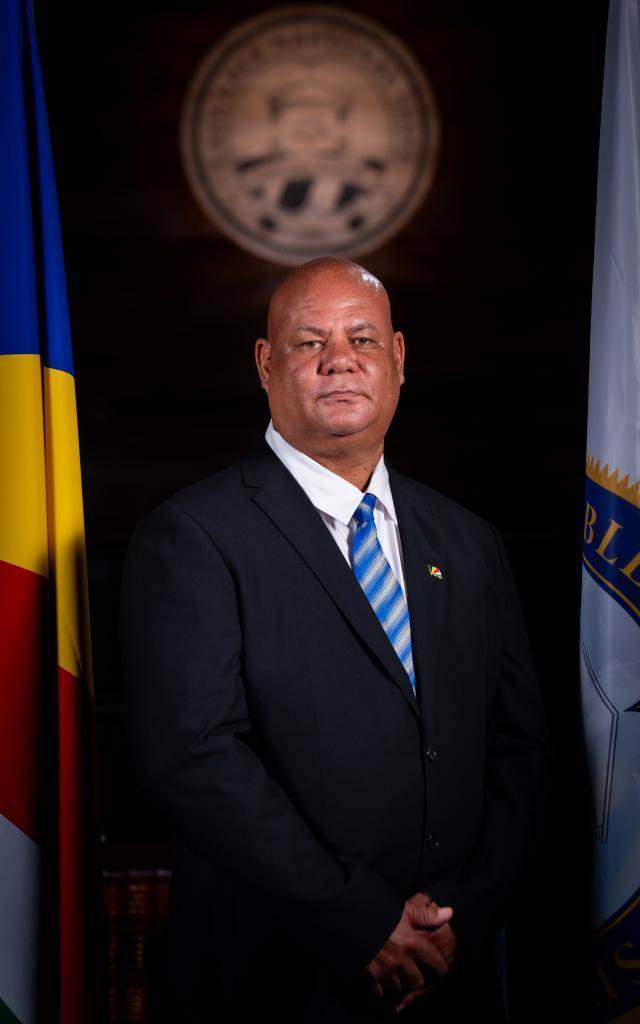
Find the district where you are registered to vote. The person named there holds that seat on your behalf. Eight further members, elected proportionally, serve the whole nation and are listed below the districts.
26 shown





Proportional members
Eight members for the whole Republic.
These members are not tied to one district. They enter the House in proportion to the national vote, so every one of them still holds their seat because of how the country voted. They answer to all of us.
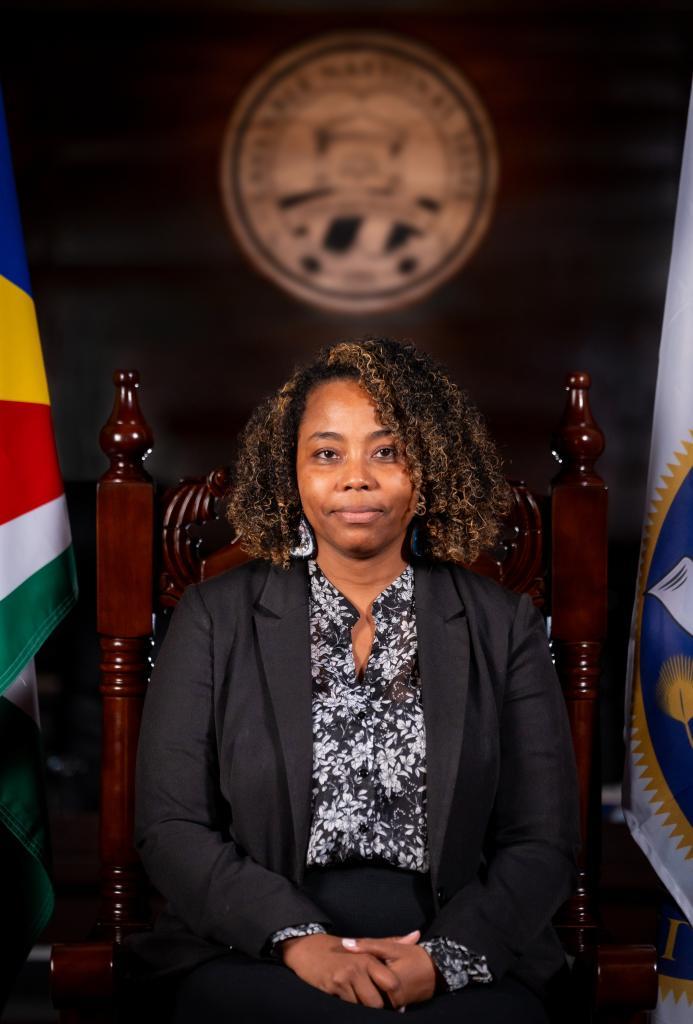
Azarel Ernesta
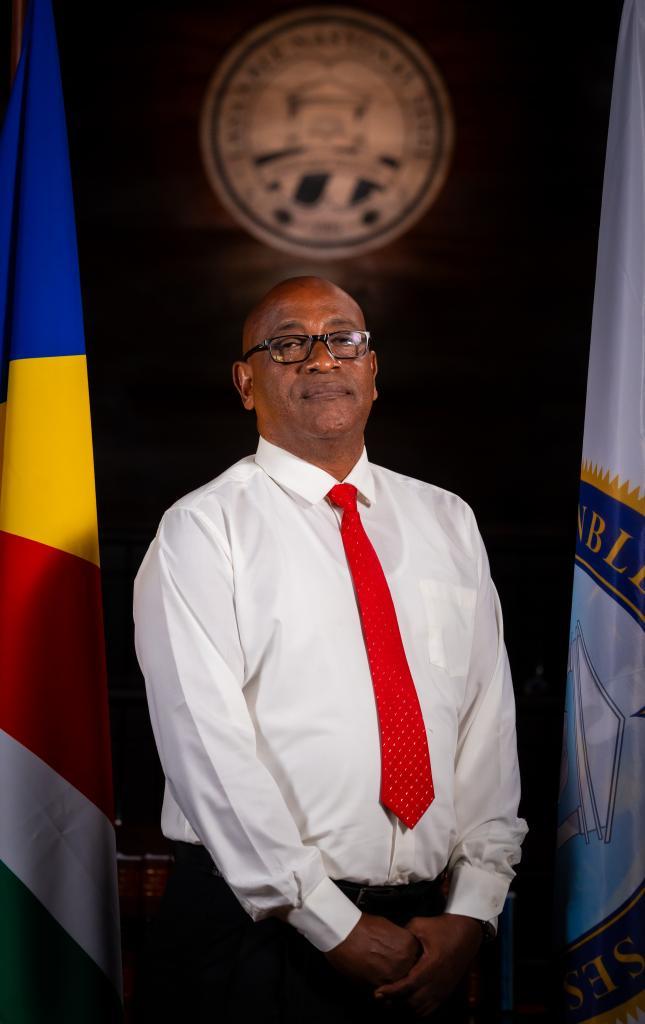
Gerry Sopha
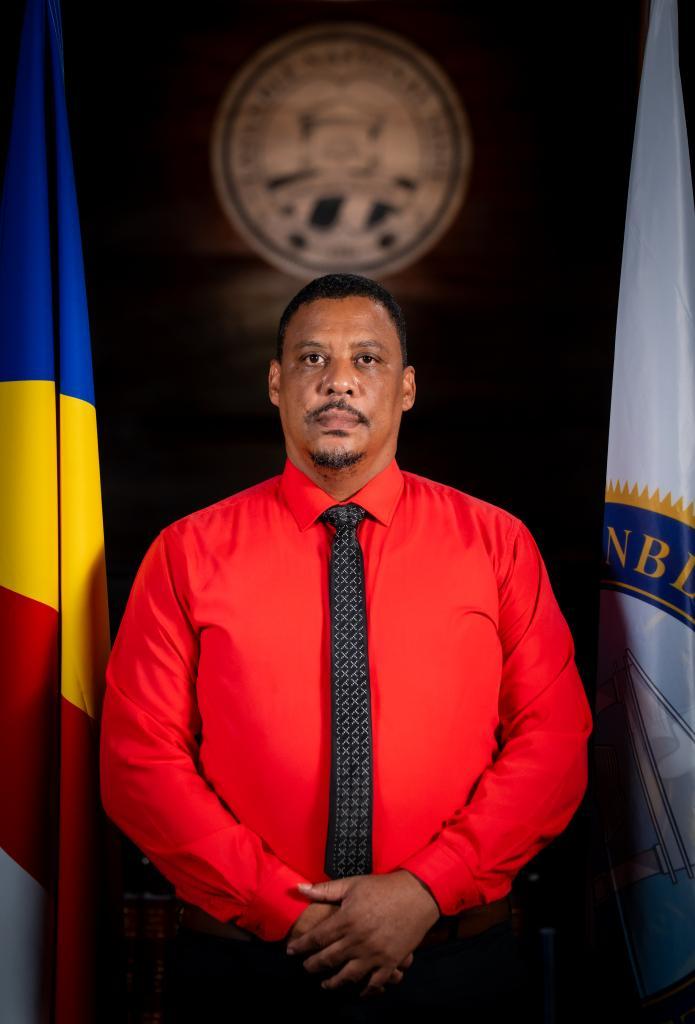
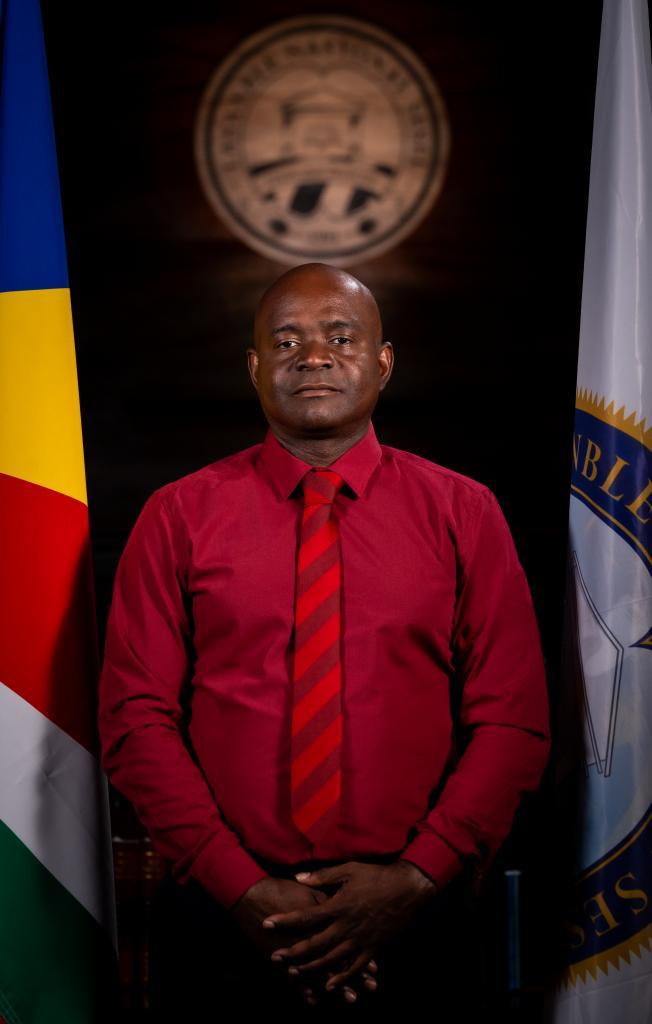
Wilbert Herminie
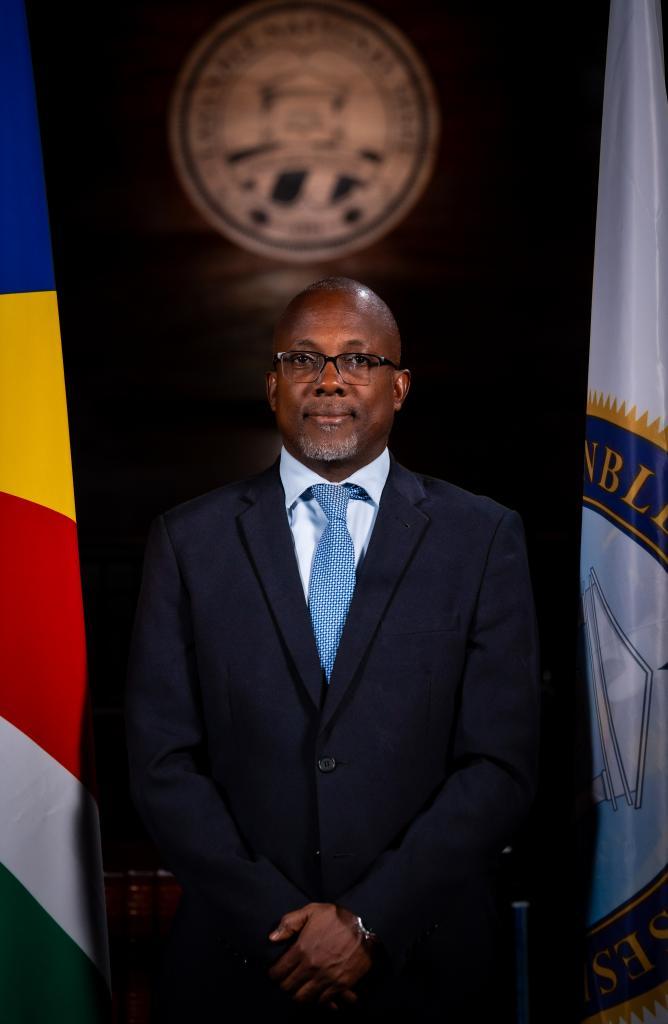
Gervais Henrie
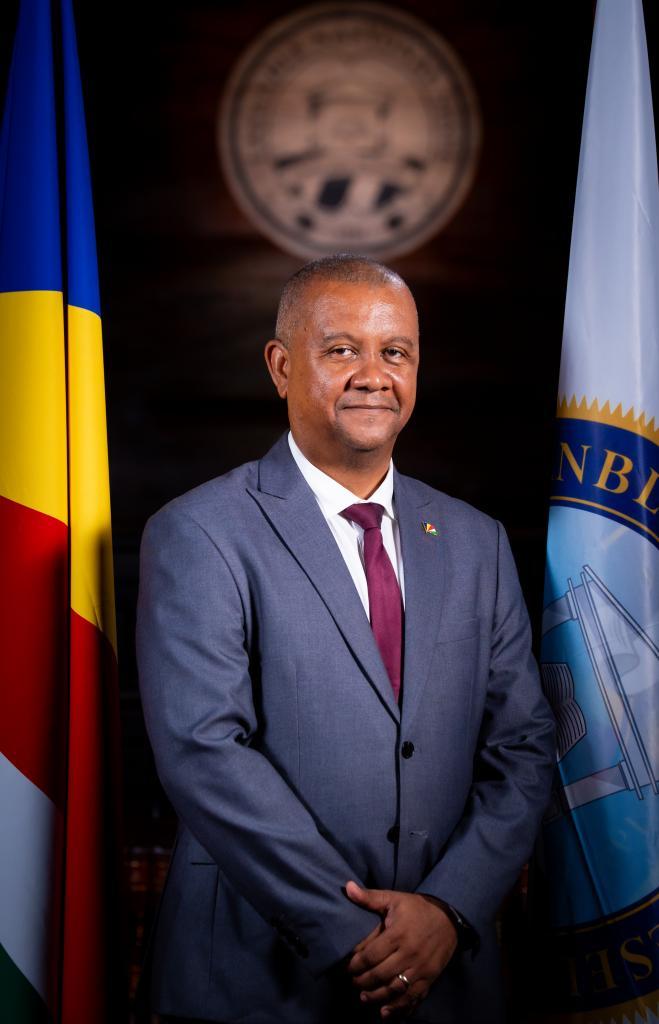
Sandy Arissol
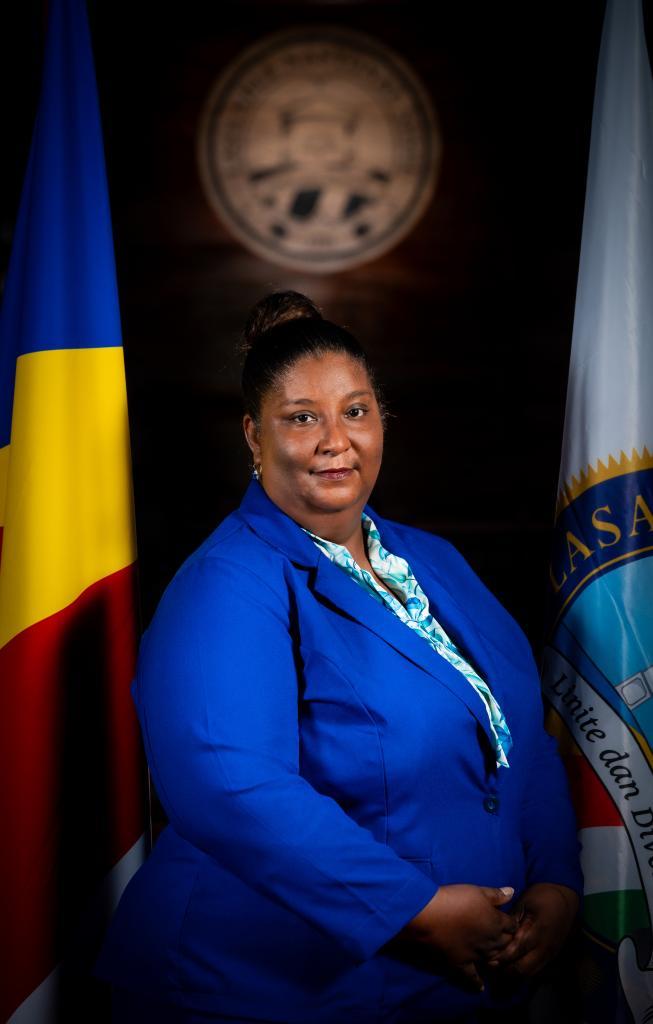
Valdana Sultan
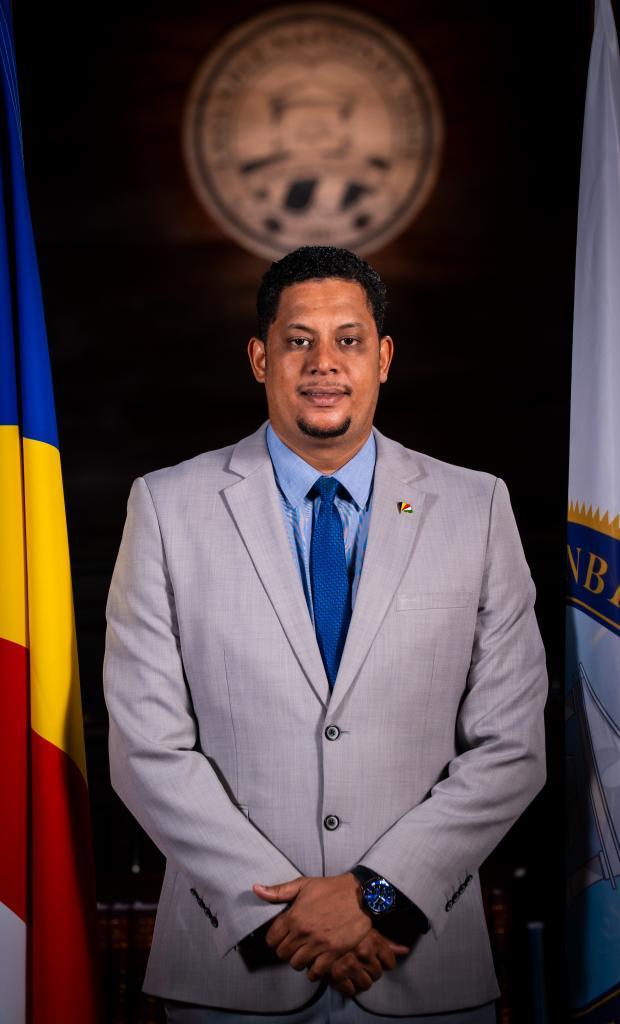
Wavel Woodcock
How to reach them
Every member has a public email. Use it.
The National Assembly publishes an official email address for each member, on that member's own page. We have put every one of them on the card above, next to the face of the person it belongs to. Write to your member directly, by name. The telephone below is the Assembly's switchboard, the same number for the whole House, and the post reaches any member you address.
The National Assembly
Telephone+248 428 5600
Member emailOn each card above, from their own page
PostP.O. Box 734, Île du Port, Victoria, Mahé
DirectoryOfficial Directory of MNAs →
Every email, photo and profile link on this page is taken directly from the member's own page on nationalassembly.sc. Public information. Address your message to your member by name.
A message you can borrow
Dear Honourable [member's name],
I am a resident of [your district] and one of the people you represent in the National Assembly.
I am writing about [the issue: the cost of living, a clinic, a road, a decision before the House]. It affects my household in this way: [say plainly what it means for you].
As my representative, I am asking you to [what you want them to do: raise it in the House, question the minister, vote a certain way, meet the district], and to let me know what action you take.
Respectfully, [your name, and your address so they know you are their constituent].
Keep it short, name the issue, ask for one thing, and give your address so they know you live in their district. A calm, specific letter from a constituent is hard to ignore.
You are not asking for a favour.
The seat is not theirs. It is yours, on loan. Writing to your member, asking them to account for a vote, expecting a reply, this is not rudeness and it is not politics. It is the ordinary work of a free people who employ their government and not the other way around. Use it.